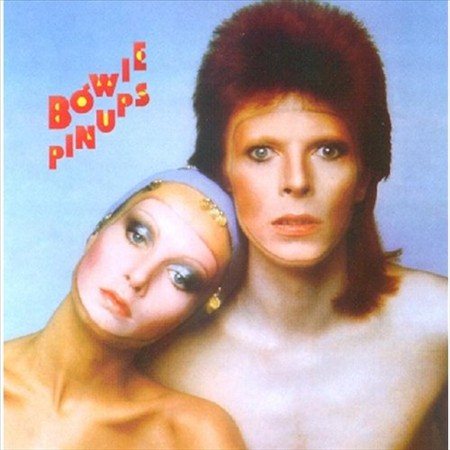
Pinups (Remastered) (180 Gram Vinyl)
Pinups (Remastered) (180 Gram Vinyl)
14 in stock
Couldn't load pickup availability
Shipping Information
Shipping Information
We carefully package every order to help ensure your records and media arrive safely. Orders are typically processed promptly, and tracking information is provided once your shipment is on its way.
Shipping costs and delivery estimates are calculated at checkout based on your location and selected shipping method.
Returns & Exchanges
Returns & Exchanges
We want you to shop with confidence. If there's an issue with your order, we're here to help.
New, unopened items may be returned in accordance with our Return Policy. For complete details, including return eligibility and timeframes, please review our full Return Policy before making your purchase.
Collector's Guide
Collector's Guide
Every collection tells a story.
Whether you're buying your first record or adding a rare pressing to your shelves, understanding editions, formats, and release details can help you make informed collecting decisions. At Vibin' Vinyl, we believe collecting is about more than just owning the music—it's about appreciating the artwork, packaging, mastering, and history behind every release.
Looking to expand your collecting knowledge?
Explore our Collector's Guide for tips, format guides, and collecting advice.
PIN UPS served as a sort of "how to" guide to David Bowie's career. This all-covers album shed light on his ability to adopt personas and emulate musical genres with amazing speed and diversity. It also showed that Bowie was anticipating a different musical climate for the rest of the decade, signifying a change from what was admired during the 1960s. The psychedelic overtones of Pink Floyd's "See Emily Play" and the garage rock cynicism of the Easybeats' "Friday On My Mind" perfectly display Bowie's ear for melody and eye for pop-culture posturing. He even tips a hat to his more established influences. The Kinks' "Where Have All The Good Times Gone" sparks his interest as a memory-soaked ballad (a Ray Davies specialty), and with The Who's "Anyway, Anyhow, Anywhere" Bowie admits to not having invented the rock 'n' roll ego. PIN UPS served another suitable purpose for the chameleonic performer, down-playing his other-worldly image by betraying his influences. By presenting Bowie as an actual fan--and not just an image/style manipulator--the album portrayed the singer in a different light, allowing him to loosen up his approach to performing and to step outside the multiple characters he had created for himself.
Share