Skip to product information
1 of 1

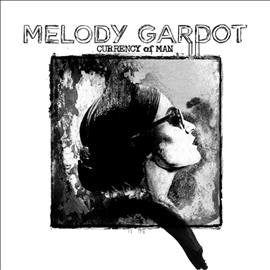
CURRENCY OF MAN-ARTIST CUT

CURRENCY OF MAN-ARTIST CUT

Regular price $45.99 USD
Regular price $45.99 USD Sale price $45.99 USD
Sale Sold out
Shipping calculated at checkout.

Out of stock

Quantity

Shipping Information

We carefully package every order to help ensure your records and media arrive safely. Orders are typically processed promptly, and tracking information is provided once your shipment is on its way.

Shipping costs and delivery estimates are calculated at checkout based on your location and selected shipping method.

View Shipping Policy

Returns & Exchanges

We want you to shop with confidence. If there's an issue with your order, we're here to help.

New, unopened items may be returned in accordance with our Return Policy. For complete details, including return eligibility and timeframes, please review our full Return Policy before making your purchase.

View Return Policy

Collector's Guide

Every collection tells a story.

Whether you're buying your first record or adding a rare pressing to your shelves, understanding editions, formats, and release details can help you make informed collecting decisions. At Vibin' Vinyl, we believe collecting is about more than just owning the music—it's about appreciating the artwork, packaging, mastering, and history behind every release.

Looking to expand your collecting knowledge?

Explore our Collector's Guide for tips, format guides, and collecting advice.

Read the Collector's Guide

On 2012's The Absence, Melody Gardot made her first shift away from the jazz-tinged ballads that drew such heavy comparisons to Norah Jones and Madeleine Peyroux. Lushly orchestrated, it was chock-full of songs inspired by Brazilian, Latin, and French forms. On Currency of Man, Gardot takes on a rootsier sound, embracing West Coast soul, funk, gospel, and pop from the early '70s as the backdrop for these songs. It is not only different musically, but lyrically. This is a less "personal" record; its songs were deeply influenced by the people she encountered in L.A., many of them street denizens. She tells their stories and reflects on themes of social justice. It's wide angle. Produced by Larry Klein, the cast includes members of her band, crack session players -- guitarist Dean Parks, drummer Vinnie Colaiuta, Larry Goldings, the Waters Sisters, et al. -- and strings and horns. The title track is a funky blues with a rumbling bassline, dramatic strings (? la Motown) and fat horns. Gardot uses the lens of Sam Cooke to testify to the inevitability of change: "We all hopin' for the day that the powers see abdication and run/Said it gonna come.." First single "Preacherman" is similar, employing a wrangling, smoldering blues that indicts racism in the 20st century by referring to the violent death of Emmett Till, a catalyst in the then-emergent Civil Rights movement. A driving B-3, saxophone, and menacing lead guitar ratchet up the tension to explosive. A gospel chorus mournfully affirms Gardot's vocal as a harmonica moans in the background. "Morning Sun" and closer "Once I Was Loved" are tender ballads that emerge from simple, hymn-like themes and quietly resonant with conviction. "Same to You" evokes the spirit of Dusty Springfield atop the punchy horns from her Memphis period, albeit with a West Coast sheen. The nylon-string guitar in "Don't Misunderstand" recalls Bill Withers' earthy funkiness. The song's a groover, but it's also a warning to a possessive lover. "Don't Talk" uses spooky polyrhythms (? la Tom Waits) as brooding, spacy slide guitars, B-3, and backing singers slice through forbidding blues under Gardot's voice. "If Ever I Recall Your Face" is jazzier, a 21st century take on the film noir ballad with glorious strings arranged by Cl?ment Ducol that rise above a ghostly piano. "Bad News" simultaneously looks back at L.A.'s Central Avenue and burlesque scenes. It's a jazz-blues with a sauntering horn section, snaky electric guitar, and squawking saxophone solo. Vocally, Gardot is stronger than ever here, her instrument is bigger and fuller yet it retains that spectral smokiness that is her trademark. Currency of Man is a further step away from the lithe, winsome pop-jazz that garnered her notice initially, and it's a welcome one. ~ Thom Jurek
View full details