Skip to product information
1 of 1

Double Booked (2 Lp's)

Double Booked (2 Lp's)

Regular price $34.98 USD
Regular price $41.99 USD Sale price $34.98 USD
Sale Sold out
Shipping calculated at checkout.

Low stock: 1 left

Quantity

Shipping Information

We carefully package every order to help ensure your records and media arrive safely. Orders are typically processed promptly, and tracking information is provided once your shipment is on its way.

Shipping costs and delivery estimates are calculated at checkout based on your location and selected shipping method.

View Shipping Policy

Returns & Exchanges

We want you to shop with confidence. If there's an issue with your order, we're here to help.

New, unopened items may be returned in accordance with our Return Policy. For complete details, including return eligibility and timeframes, please review our full Return Policy before making your purchase.

View Return Policy

Collector's Guide

Every collection tells a story.

Whether you're buying your first record or adding a rare pressing to your shelves, understanding editions, formats, and release details can help you make informed collecting decisions. At Vibin' Vinyl, we believe collecting is about more than just owning the music—it's about appreciating the artwork, packaging, mastering, and history behind every release.

Looking to expand your collecting knowledge?

Explore our Collector's Guide for tips, format guides, and collecting advice.

Read the Collector's Guide

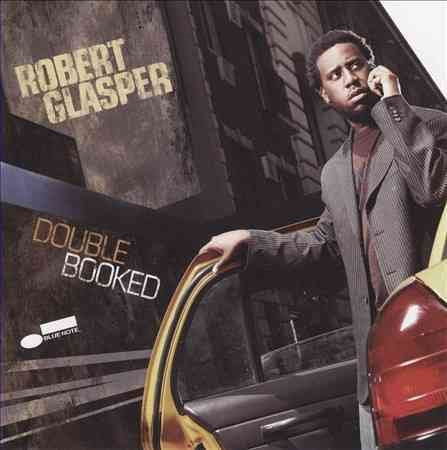
Robert Glasper could easily choose one of his two musical personalities and stick with it, but Double Booked is a more rewarding album because he doesn't. For its first half, Glasper, a hyper-talented jazz pianist, stays within the acoustic trio format, working alongside bassist Vicente Archer and drummer Chris Dave. Then, midway, he turns to his other collective, the Robert Glasper Experiment, and displays his hip-hop/R&B-oriented side at its funkiest. While it's possible that one segment of Glasper's growing audience may prefer one half over the other, or even shun the music that doesn't match its own taste, Glasper is seemingly not worried. Nor should he be -- it's this reputation as a forward-thinking cross-breeder of seemingly disparate elements that's gotten Glasper this far, and his ability to apply himself with equal braininess and craft to both that makes him one of the more promising representatives of jazz's future. Besides, after spending time with both segments, those skeptical listeners may very well realize that the two halves aren't that far apart after all, that both are equally well-honed and true to the spirit of both contemporary jazz and modern urban music. Double Booked begins with a voicemail message from fellow jazz visionary Terence Blanchard that suggests the reason for the album title before giving way to "No Worries," an easy-flowing jam that showcases all three members of the trio at their finest. Glasper immediately reminds listeners of his ability to maintain a distinct lyricism even as he peels out ever bolder, more complex lines. Archer and Dave are both creative as well as supportive players, adding to the dialogue without stepping on the leader. "Yes I'm Country (And That's OK)" uses all of its eight minutes to unfold and contract, its intensity level cascading and waning, but its magnificence never wavering. Hints of what's to come are dropped during the trio's lengthy interpretation of Thelonious Monk's "Think of One," which, while remaining true to the writer's quirks, also takes on new rhythmic twists of its own, with a nod to Ahmad Jamal's "Swahililand" (which hip-hop fans will recognize from De La Soul's "Stakes Is High"). As if to build a bridge, the Experiment half of the album is ushered in with a Mos Def vocal on "4eva" and an almost jarringly electric take on Herbie Hancock's "Butterfly." With Casey Benjamin providing both the saxophones and vocoder effects for the Experiment tracks, Derrick Hodge taking over bass duties, and Dave staying put on drums, this is essentially a different band than heard on the first half. Yet ultimately it isn't: Glasper's inventiveness is the overriding factor here as before, and although the mood shift is drastic, his pianistic personality ties it all together seamlessly. ~ Jeff Tamarkin
View full details